Search Tyre
Transmission Fluid Change – When & Why
- Apr 28, 2026
Transmission Fluid Change – When & Why
Your car is okay, and the engine is smooth, yet something is wrong when you drive. Minor shakes, sluggish gear changes, or odd sounds. Most drivers disregard these signs until the damage becomes costly.
The thing is, your transmission system is among the most complicated and expensive components of your automobile. And what is that which keeps it all running fine? Transmission fluid.
Failing to change the transmission fluid not only affects performance but also reduces the lifespan of your gearbox. The contemporary car is more sensitive than ever, and neglecting regular transmission repairs can lead to severe malfunctions. DWB Tyres can dissect when to change it, why it is important and how it safeguards your vehicle.
What Is Transmission Fluid and Why Does It Matter
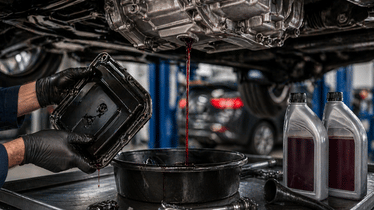
Oil is not the only type of transmission fluid, it is a key component that ensures your gearbox operates well. It lubricates moving components, minimizes friction, cools the system and provides smooth gear shifts. A lack of fluid causes the transmission system to wear out earlier, leading to performance problems in the car and damaging the gears.
Why Transmission Fluid Change Is Important
Neglecting to change transmission oil may cause system wear and tear that is usually not noticed until it is too late.
Aids in avoiding Gearbox Wear and Tear
Parts of the transmission work under high pressure and heat. Old or dirty fluid can no longer be used as a lubricant, increasing friction and leading to internal wear. Frequent oil changes servicefor the gearbox help keep such parts safe and prolong the transmission's life.
- Secures Easy Gear Changing
New transmission fluid ensures that there is a good hydraulic pressure in order to shift between the gears. Gears may be delayed, jerked, or slippery due to dirty fluid, which will affect the overall driving experience.
- Prevents Overheating
The transmission fluid also serves as a coolant. Over time, the fluid becomes depleted, making it unable to dissipate heat and leading to overheating and internal damage.
- Improves Fuel Efficiency
A properly maintained transmission system works well, which lowers the engine load. This directly enhances fuel economy and general vehicle performance.
- Avoids Expensive Repairs
Some of the most expensive are transmission repairs. Periodic maintenance of transmissions can identify problems early and prevent serious breakdowns.
When to Change Transmission Fluid
When to change transmission fluid is one of the most frequently asked questions. This question is answered based on various factors, such as the type of vehicle, driving conditions, and manufacturer recommendations.
Standard RecommendationThe transmission fluid of most cars needs to be changed after every
- 40,000 to 60,000 km (for manual transmission)
- 60,000 to 100,000 km (for automatic transmission)
However, these are general guidelines. Even when it comes to your vehicle, always check your owner's manual for the exact intervals.
Driving Conditions That Require Frequent Changes
Some conditions require a more regular gearbox oil change:
- Stop-and-go traffic
- Other extreme heat driving.
- Towing heavy loads
- Frequent short trips
These circumstances add heat and stress to the transmission, accelerating fluid degradation.
Signs You Need a Transmission Fluid Change
Early warnings are to be taken seriously.
- Slow or Bumpy Gear Shifts. - When your car stalls or catches when changing gears, then it is an indication that the fluid is worn out.
- Burning Smell - A burning smell of transmission fluid, which indicates the necessity to change it at once, is caused by overheating or old age.
- Unusual Noises - The low or dirty fluid is frequently indicated by a grinding or whining noise in the gearbox.
- Fluid Leakage - A leak of transmission fluid may be indicated by a red or brown liquid underneath your car.
- Warning Lights - Modern car tyres can have warning lights indicating transmission or check-engine problems associated with fluid issues.
Types of Transmission Fluid
It is also important to know the kind of fluid your car consumes to maintain your transmission.
- Automatic Transmission Fluid (ATF)
ATF is used in motorized vehicles and is involved in lubrication, cooling, and hydraulic operations.
- Manual Transmission Fluid
Different oils intended to lubricate under mechanical load are used in manual gearboxes.
- Continuously Variable Transmission (CVT) Fluid
CVT systems require specially engineered fluid to enable smooth, continuous gear changes.
Transmission Fluid Change vs Flush
"Fluid change" and "flush" are two concepts that many drivers confuse.
Fluid Change- Partially drains the old fluid.
- Changes to the new fluid.
- Appropriate for regular maintenance.
- Completely removes old fluid
- Cleans the system thoroughly
- Suitable for heavy, contaminated systems.
The decision on the appropriate method will be based on your vehicle's condition.
How Proper Transmission Maintenance Extends Vehicle Life
The effect of transmission health on a car's reliable work duration is direct. Regular transmission maintenance is not only about preventing breakdowns but also about safeguarding the entire drivetrain, enhancing efficiency, and improving long-term performance. When your transmission flows well, your engine labors less, your parts wear less quickly, and your vehicle's life is much longer.
- Minimizes Wear and Tear
High-quality fluid is clean, reducing the friction between the moving parts within the gearbox. This helps prevent early wear on gears, clutches, and seals, which helps maintain structural integrity over time and prevents early transmission failure.
- Maintains Smooth Power Delivery
Properly maintained transmission means stable, smooth gear changes. This helps ease the load on the engine and drivetrain, allowing the vehicle to run smoothly without unnecessary work during acceleration or under load.
- Prevents Overheating Damage
Transmission fluid is used as a coolant. Frequent changes to the transmission fluid result in poor heat dissipation and overheating, which are among the main causes of transmission damage in modern cars.
- Improves Fuel Efficiency and Performance
When the transmission is well-run, the engine does not need to counter the resistance or slow response. This not only improves fuel economy but also enhances responsiveness, while the overall vehicle performance remains constant.
- Increases the life of Critical Components
Having the correct gearbox oil change in Abu Dhabi and maintenance will not only save the transmission but also other related parts, such as the driveshaft and the differential. This decreases the chances of cascading failures in the system.
- Reduces the Risk of Major Repairs
Regular maintenance helps identify problems early, so small issues do not escalate into costly car repairs or replacement of the entire transmission. It is always cheaper to prevent than to cure.
Conclusion
The majority of drivers do not pay much attention to the transmission fluid change until it causes severe problems, such as clunky gear shifts, overheating, or complete failure. When problems arise, it is too late, and they are costly and inevitable to repair. The fact is that transmission maintenance is not a luxury; it is a necessity for keeping your vehicle running well and ensuring its performance and durability.
This is where professional assistance is the key. DWB Tyres specialize in transmission oil changes, full inspections in Abu Dhabi, and reliable maintenance services for modern vehicles in the UAE, with driving conditions in mind. Regular service, troubleshooting your car's gearbox, and oil changes will keep your car in good working order without unexpected failures.